
Mastering Corporate Travel

Arranging transportation for corporate travel can feel like a puzzle, especially when you've got a group to move around. It's not just about getting from point A to point B; it's about doing it smoothly, safely, and without breaking the bank. This guide will walk you through how to arrange corporate travel transportation services, making sure your team gets where they need to be, comfortably and efficiently. We'll cover everything from setting the rules to picking the right ride.
Key Takeaways
- Establish a clear travel policy that outlines approved booking methods, what expenses are covered, and spending limits to guide all transportation arrangements.
- Carefully consider the number of travelers, their luggage needs, and any expectations for comfort or image when choosing the right vehicle.
- Centralize your booking process using a single platform or service to simplify logistics and improve oversight for all transportation needs.
- Prioritize traveler safety by including duty of care provisions and having plans in place for emergencies and real time support.
- Control costs by negotiating rates with vendors, booking in advance, and looking for opportunities to combine trips when possible.
Establishing a Robust Corporate Travel Policy
A well defined corporate travel policy acts as the bedrock for any successful business travel program. It's not just about setting rules; it's about creating a framework that supports your employees, controls costs, and protects your organization. Without clear guidelines, travel can quickly become a source of unexpected expenses and administrative confusion. This policy should be a living document, regularly reviewed and updated to reflect changing business needs and travel trends.
Defining Approved Booking Processes and Tools
To manage travel effectively, it's important to specify how employees should book their trips. This involves outlining the approved methods and platforms for making reservations. For instance, you might mandate the use of a specific online booking tool or a designated travel management company. This centralization helps in tracking expenses and negotiating better rates with vendors. It also simplifies the process for employees, removing the guesswork from booking.
- Mandatory Use of Company Booking Platform: All flight, hotel, and car rental bookings must be made through the designated corporate travel portal.
- Preferred Vendor List: Employees are encouraged to select from a pre-approved list of airlines, hotels, and car rental agencies that offer favorable rates and service levels.
- Exceptions Process: A clear procedure for handling exceptions, such as last minute bookings or travel to remote locations not covered by preferred vendors, should be established.
Clarifying Reimbursable Expenses and Spending Limits
Your policy needs to be explicit about what travel related expenses are eligible for reimbursement and what the spending limits are for each category. This transparency prevents misunderstandings and helps employees plan their expenditures. It's also a key component in controlling overall travel spend. Consider creating a table to clearly outline these details.
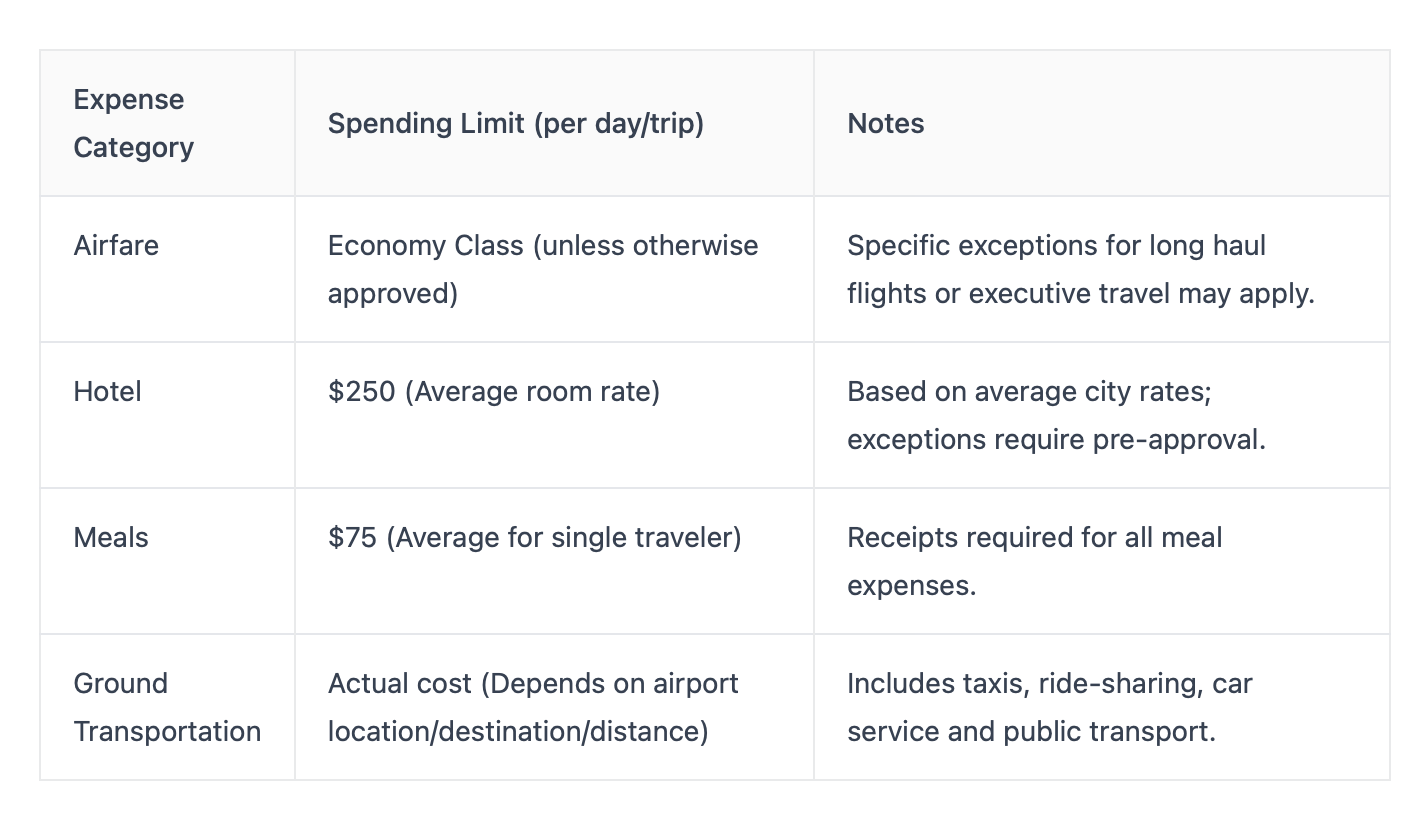
"Clearly communicating these financial boundaries is vital. Employees should understand what they can reasonably expect to be reimbursed for, and what falls outside the scope of company policy. This clarity reduces the administrative burden on both the employee submitting expenses and the finance team processing them."
Ensuring Policy Compliance and Auditing Ease
Compliance is more than just setting rules; it's about creating a culture where adherence is the norm. This involves educating employees about the policy and implementing mechanisms to monitor adherence. Regular audits are also necessary to identify any deviations and to refine the policy over time. A travel management provider can assist in monitoring travel compliance and streamlining these processes. When employees understand the "why" behind the policy, cost savings, safety, and fairness, they are more likely to follow it. This proactive approach simplifies the auditing process significantly for your finance and accounting departments.
Selecting Appropriate Transportation Services
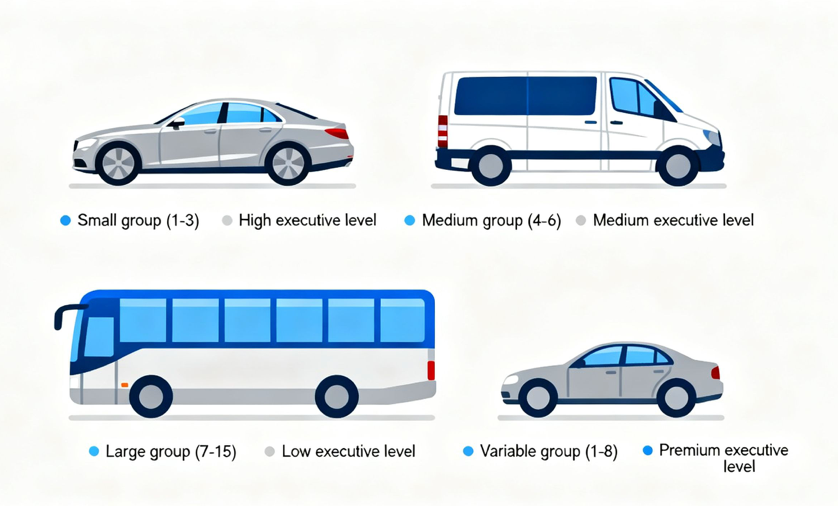
Choosing the right corporate transportation is more than just getting from point A to point B; it's about making a statement and ensuring your team travels efficiently and comfortably. The type of service you select can significantly impact the overall travel experience and reflect on your company's professionalism.
Assessing Group Size and Luggage Requirements
When arranging transport for multiple individuals, the first step is a clear headcount. Miscounts can lead to booking too little or too much space, both of which are inefficient. Consider not only the number of passengers but also their luggage. A small group with minimal bags might manage with sedans, but larger groups or those with equipment will need more substantial vehicles.
- Confirm the exact number of travelers.
- Account for all baggage, including carry ons and checked items.
- Factor in any special equipment or materials.
For larger groups, services offering ample space, like executive vans or minibuses, are often more practical than trying to coordinate multiple smaller vehicles. This also keeps the group together, which can be beneficial for collaboration or simply maintaining a unified presence.
Prioritizing Passenger Comfort and Executive Expectations
For executives and important clients, comfort and a professional image are paramount. They are accustomed to a certain standard, and failing to meet it can be detrimental. Think about the amenities that matter: climate control, smooth rides, and sufficient legroom. While shuttle buses can handle capacity, they may not align with the expectations for executive travel. Instead, consider options that blend capacity with comfort, such as executive coaches or well appointed vans. Providing a positive travel experience can contribute to a productive business trip.
"The goal is to provide transportation that supports the purpose of the trip, whether it's client entertainment or internal team meetings, without adding unnecessary stress."
Evaluating Vehicle Options for Professional Image
The vehicles used for corporate travel are an extension of your company's brand. A clean, well maintained, and appropriate vehicle conveys professionalism. For high profile individuals or client meetings, executive sedans or SUVs are standard. For larger groups attending conferences or events, a fleet of matching vehicles or a larger executive bus can create a strong, organized impression. It's worth looking into corporate car service providers who specialize in business needs, as they often have a range of vehicles suited for different scenarios and can manage the logistics effectively. The choice of vehicle should align with the importance of the occasion and the status of the passengers.
- Executive Sedans/SUVs: Ideal for individual executives or small client groups.
- Executive Vans/Sprinters: Suitable for small to medium sized groups needing comfort and space.
- Minibuses/Coaches: Best for larger delegations or event transportation.
When making your selection, always request details about the specific vehicle models and their amenities to ensure they meet your standards. This careful consideration of corporate transportation options helps ensure a smooth and professional journey for everyone involved.
Streamlining the Booking and Logistics Process
Arranging business travel can quickly become complicated, involving multiple people, destinations, and requirements. To make this process smoother for everyone, focusing on efficient booking and logistics is key. This means setting up systems that are easy to use and provide clear information from start to finish.
Centralizing Reservations Through a Single Platform
One of the biggest headaches in corporate travel is scattered booking information. When different employees book flights, hotels, and ground transportation through various channels, it's hard to keep track of everything. A centralized booking platform acts as a single source of truth for all travel arrangements. This not only simplifies oversight for the travel manager but also makes it easier for employees to find and manage their trip details. It helps avoid duplicate bookings, missed connections, and confusion about company policies. Having one place for reservations also makes it simpler to apply negotiated rates and track spending.
Leveraging Technology for Seamless Itinerary Management
Once bookings are made, managing the actual itinerary is the next step. Technology plays a big role here. Modern travel management systems can automatically compile all booking details into a clear, accessible itinerary. This often includes flight times, hotel addresses, meeting schedules, and contact information. Many platforms also offer mobile apps, giving travelers access to their itineraries on the go. These tools can provide real-time updates for flight delays or gate changes, helping travelers adjust their plans without constant manual checking. This proactive approach reduces stress and keeps everyone informed.
Confirming Details Electronically for Clarity
Before any trip, confirming all the details is vital to prevent last minute problems. Electronic confirmations are the standard for this. When a booking is made, an automated confirmation email should be sent to the traveler and relevant stakeholders. This confirmation should clearly list all services booked, dates, times, locations, and any special requests. It's also a good place to reiterate key policy points or provide contact information for support. For corporate ground transportation, like a car service from NYC to Newark Airport, electronic confirmation means knowing exactly when and where your ride will be, removing a significant worry from the travel day. This digital trail also serves as a record for expense reporting and auditing purposes.
"Clear, electronic confirmation of all travel details is not just about convenience; it's a critical step in risk management and traveler support. It ensures everyone is on the same page and reduces the likelihood of errors or misunderstandings that could impact the trip's success or a traveler's safety."
Understanding Employee Needs and Satisfaction
When arranging corporate transportation, it's easy to get caught up in the logistics and costs. However, the actual experience of your employees is just as important. Happy travelers are often more productive travelers, and paying attention to their needs can make a big difference.
Accommodating Diverse Traveler Requirements
Not everyone travels the same way. Some employees might have specific dietary needs, while others may require accessible vehicles. It's also common for frequent travelers to have preferences for certain airlines, hotel brands, or even specific seating arrangements. Collecting and storing these preferences in a structured traveler profile is key to making booking efficient and personal. This information can be managed through a travel management system, ensuring that future bookings automatically consider these individual requirements.
Here are some common needs to consider:
- Dietary restrictions (e.g., vegetarian, gluten free, allergies)
- Accessibility requirements (e.g., wheelchair access, extra legroom)
- Loyalty program memberships (airlines, hotels, car rentals)
- Preferred seating or room types
- Specific comfort needs (e.g., quiet car on trains)
Reducing Administrative Burden on Employees
Nobody likes spending their work hours wrestling with booking systems or filling out endless forms. The goal should be to make the travel process as simple as possible for your employees. This means using user friendly booking platforms and clear guidelines. If employees have to spend a lot of time managing their own travel arrangements, it takes away from their primary job duties. A well-organized system can free up their time and reduce frustration.
"A streamlined booking process not only saves time but also minimizes the chances of errors and ensures that company policies are followed without extra effort from the traveler."
Facilitating Additional Travel Arrangements
Sometimes, a business trip involves more than just getting from point A to point B. Employees might need to arrange local transportation upon arrival, book meeting rooms, or even coordinate travel for accompanying family members on personal time. Having a clear process for these additional needs is important. This could involve a dedicated point of contact within the company or a travel management service that can handle these extra requests. Making these arrangements easier contributes to a more positive overall travel experience and can help employees focus on their business objectives. For companies looking to manage these complexities, exploring options for outsourcing travel management might be beneficial.
Optimizing Cost Control and Efficiency
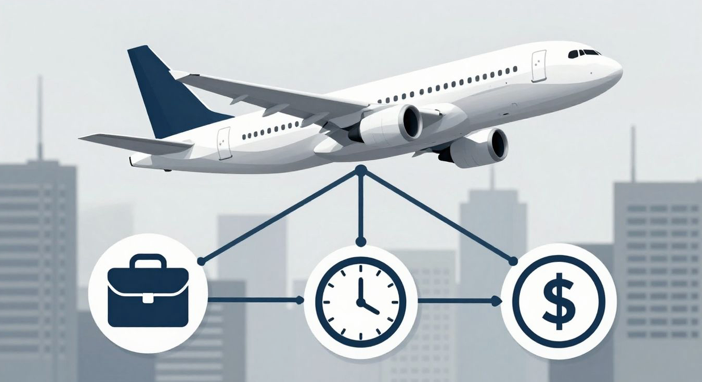
Managing corporate travel expenses effectively is a key part of running a business. It's not just about spending less; it's about spending smarter to get the most value.
Negotiating Preferred Vendor Rates and Discounts
Building strong relationships with travel providers can lead to significant savings. When you consistently book with certain airlines, hotels, or car services, you gain leverage. These partnerships can unlock exclusive corporate rates and discounts that aren't available to the general public. It's worth the effort to identify your most frequently used vendors and explore what kind of preferred agreements you can establish. This often involves consolidating your company's travel spend with a select group of providers to demonstrate volume and secure better terms. For instance, a consistent booking history with a specific car service might lead to a reduced per trip rate or added amenities. This approach helps control ground transportation expenses with trusted providers.
Implementing Advance Booking Strategies
Last minute travel arrangements almost always come with a higher price tag. Making it a standard practice to book flights and accommodations well in advance can prevent unnecessary costs. The earlier you book, the more likely you are to find lower fares and better availability. Consider setting internal guidelines that encourage booking travel at least a few weeks, or even months, before the departure date, depending on the trip's nature. This strategy is particularly effective for flights and hotels, where prices tend to climb as the travel date approaches. Advance booking is a simple yet powerful way to reduce overall travel costs for your business.
Consolidating Trips for Maximum Savings
Think about how trips can be combined. If employees need to visit multiple clients or attend several meetings in the same city or region, it's often more cost effective to plan a single trip that covers all these engagements. This reduces the number of flights, hotel stays, and ground transportation needs. Instead of flying to City A for one meeting and then flying to City B for another a week later, see if both can be scheduled within a single, longer trip to the region. This approach minimizes travel days and associated expenses, making your travel budget work harder. It's a practical way to manage expenses and improve efficiency.
"Careful planning and a strategic outlook are vital for keeping travel costs in check. By focusing on these areas, businesses can turn travel from a significant expense into a well managed investment that supports operational goals without breaking the bank."
Prioritizing Traveler Safety and Well being
Making sure employees are safe and comfortable during business trips isn’t just nice to have it’s something every business should take seriously. When employees are traveling for work, they face risks like unfamiliar environments, unpredictable events, and competing demands on their time and health. Let’s break down how to put traveler safety and well being at the center of your corporate travel plans.
Integrating Duty of Care Provisions
Duty of care is a company’s responsibility to protect its employees during work trips. This means putting policies and support systems in place to keep travelers safe before, during, and after each trip. A solid duty of care plan should cover:
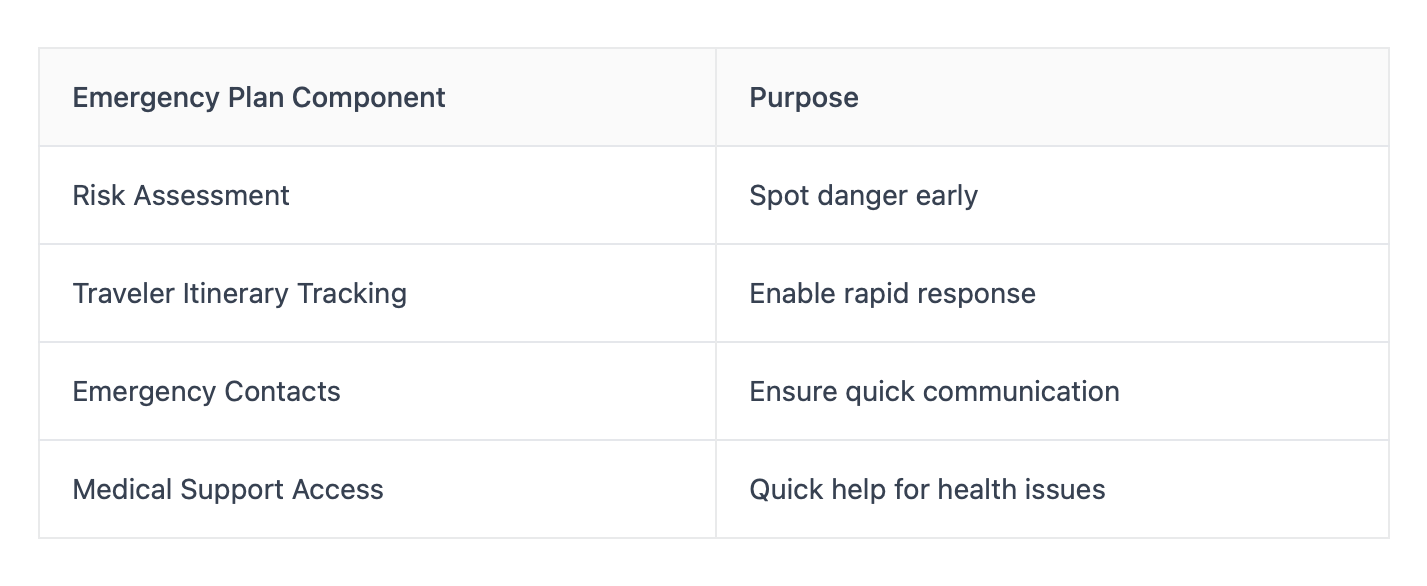
- Pre trip risk assessments to identify potential hazards at each destination, think political unrest, health advisories, or even weather concerns.
- Real time tracking so you always know where employees are if you need to reach them fast.
- Easy access to emergency contacts and medical resources at all times.
For a closer look at how companies are stepping up, check out comprehensive guidance on duty of care in business travel.
Implementing Risk Assessments and Emergency Plans
Don’t wait for a crisis to figure out what to do. Taking action beforehand is your best move. Here’s what to consider:
- Assess destination safety: Are there current advisories or risks reported?
- Map out emergency procedures: This could involve local hospitals, evacuation routes, or safe meeting points.
- Limit exposure when possible: For example, avoid having all executives travel on the same flight.
This table breaks down key elements of an emergency travel plan:
Providing Real Time Support and Assistance
Things can change quickly on the road. That’s why having support available 24/7 is critical. Offer travelers:
- A hotline for urgent issues (flight cancellations, lost documents, etc.).
- In app notifications with travel updates or safety alerts.
- Support for rebooking, medical needs, or sudden changes.
Companies can also use technology to manage business travel risks more effectively. Tools that send real time alerts and consolidate communication keep employees informed so they never feel stranded. For strategies that work, see travel risk guidance with simple precautions to minimize risks.
"When work takes employees far from home, they count on the organization to support not just their projects but their safety, too. Even when things go off script, knowing there's a plan, and someone ready to help, reduces stress and builds trust."
A strong commitment to traveler safety and well being isn’t just about avoiding problems; it’s the foundation for confident, productive business trips.
Leveraging Technology for Enhanced Management

Utilizing Automated Booking and Approval Systems
In today's fast paced business environment, manual processes for booking and approving travel can quickly become bottlenecks. Implementing automated systems transforms this aspect of corporate travel management. These platforms allow employees to book flights, hotels, and corporate ground transportation directly within predefined company policies. This not only speeds up the process but also significantly reduces the chance of non compliant bookings. Approval workflows are similarly streamlined, with requests routed automatically to the correct managers, often with built in alerts for timely responses. This automation reduces administrative overhead and ensures that travel arrangements are made efficiently and in accordance with budgetary guidelines.
Implementing Digital Expense Reporting Solutions
Managing travel expenses has historically been a paper intensive and time consuming task. Digital expense reporting solutions change this entirely. Employees can capture receipts using their mobile devices, categorize expenses, and submit reports with just a few taps. These systems often integrate directly with accounting software, automating reconciliation and reimbursement processes. This digital approach minimizes errors, speeds up reimbursements, and provides real time visibility into spending patterns. It makes the entire expense management lifecycle much simpler for both the traveler and the finance department.
Analyzing Travel Data for Strategic Insights
Beyond day to day management, technology offers powerful tools for analyzing corporate travel data. Integrated travel management platforms can collect and process vast amounts of information on booking trends, spending habits, vendor performance, and policy compliance. By analyzing this data, organizations can identify opportunities for cost savings, negotiate better rates with suppliers, and refine their travel policies. This data driven approach moves corporate travel from a simple operational function to a strategic lever for business growth and efficiency. Understanding these patterns helps in making informed decisions for future travel planning and resource allocation. For instance, analyzing booking data might reveal that booking certain routes further in advance consistently yields significant savings, informing future booking strategies. This kind of insight is invaluable for optimizing your business travel management software.
"The effective use of technology in corporate travel management is not just about convenience; it's about creating a more controlled, efficient, and insightful operation. From the initial booking to the final expense report, digital tools provide the framework for better oversight and strategic decision making."
Key benefits of technology integration include:
- Reduced processing times for bookings and approvals.
- Improved accuracy in expense reporting and reimbursement.
- Enhanced visibility into travel spend and compliance.
- Data analytics for identifying cost-saving opportunities.
- Greater traveler satisfaction through simplified processes.
By embracing these technological advancements, companies can achieve a more sophisticated and effective approach to managing their corporate travel needs, aligning with the goals of modern Corporate Travel Management practices.
Using new tools can really help make managing things easier. Think about how apps and smart systems can help you keep track of everything, from appointments to important tasks. It's like having a super-smart assistant that never forgets! These technologies can save you time and make sure nothing slips through the cracks. Ready to see how we can help you manage better? Visit our website to learn more!
Final Thoughts on Corporate Transportation
Arranging transportation for corporate travel, especially for groups, requires careful thought and planning. By focusing on clear policies, accurate counts, and the right vehicle choices, you can make the process much smoother. Remember that the right transportation service not only moves people but also contributes to the overall success and impression of your business trip. Taking the time to select a reliable partner and confirm all details in writing will help avoid common issues and ensure your team arrives at their destinations efficiently and comfortably. This attention to detail in transportation is a key part of effective corporate travel management.
Frequently Asked Questions: Corporate Travel
Why is it important to have a company travel policy?
Having a company travel policy is like having a map for your trips. It tells everyone what they can and can't spend money on, how to book corporate travel, and what to expect. This helps prevent confusion, saves the company money, and makes sure everyone is treated fairly. It's also important for keeping employees safe when they travel for work.
How do I choose the right transportation for a group?
When picking corporate transportation for a group, think about how many people are going and how much stuff they're bringing. If it's a big group, a van or bus might be best so everyone can travel together. You also want to make sure the ride is comfortable, especially if you're trying to impress clients or important guests. It's good to confirm all the details in writing so there are no mix ups.
What's the best way to save money on business trips?
To save money, try to book travel like flights and hotels ahead of time, as prices usually go up closer to the date. Also, see if you can get special deals by working with certain travel companies. Sometimes, combining several work trips into one journey can cut down on costs for travel and places to stay.
How can technology help with managing business travel?
Technology can make planning and managing trips much easier. You can use special software to book everything in one place, keep track of where everyone is, and handle expense reports without a lot of paperwork. This saves time and helps the company see where money is being spent.
What does "duty of care" mean for business travel?
Duty of care means the company has a responsibility to make sure its employees are safe when they travel for work. This includes planning for possible problems, having emergency plans, and being able to help travelers if something goes wrong.
How can I make sure employees are happy with business travel arrangements?
To keep employees happy, make sure the travel policy is clear and easy to follow. Offer comfortable transportation and lodging options, especially for longer trips. Also, try to reduce the amount of paperwork and planning employees have to do themselves, so they can focus more on their actual work.